
PRODUCTS
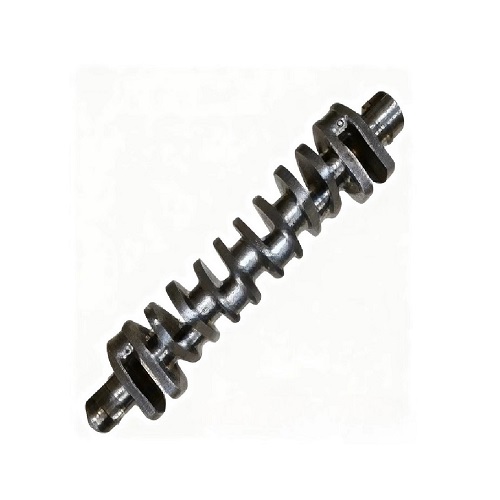
crankshaft
- Model:-
- Made Year:-
- Color:-
Description and specifications
-wrap-mode: nowrap;">The crankshaft serves as the core power output component of an engine's crankshaft-connecting rod mechanism. Key information is as follows:
Core Function
Receives combustion power transmitted by the piston via connecting rods, converting reciprocating linear motion into rotational motion. Simultaneously drives components such as the camshaft, oil pump, and fuel injection pump, functioning as the engine's “central rotary shaft” for power output.
Compatible Models and Engines
Compatible Engines: Weichai WD615/WP10, Sinotruk MC07, and other 6-Cylinder diesel engines
Compatible Models: Sinotruk Howo, Shandong Heavy Duty Truck, Shaanxi Heavy Duty Truck Delong, and other heavy-duty trucks
(Model VG1560020010)
Product Features
Structure and Material: Forged steel (e.g., 42CrMo) undergoes forging, quenching and tempering, and surface hardening processes to achieve exceptional strength and wear resistance. The shaft body incorporates main journals (for cylinder block bearings), connecting rod journals (for connecting rods), and counterweights (to counteract operational vibrations).
Operational Characteristics: Withstands impact loads from combustion explosions and alternating stresses during operation, serving as the engine's “high-load core component.” Balance weights reduce vibration during crankshaft rotation, enhancing operational smoothness.
Machining Precision: Roundness, cylindricity, and surface roughness of main journals and connecting rod journals require strict control to prevent bearing wear and abnormal oil pressure. The dynamic balance precision of the crankshaft directly impacts the engine's vibration and noise levels.
Maintenance Key Points: Regularly replace engine oil and filters to prevent impurities from wearing the journals. If crankshaft journal wear occurs (excessive ovality/taper), perform grinding repairs or replace the crankshaft. During assembly, tighten main bearing cap bolts to specified torque to avoid journal deformation.