
PRODUCTS
torque converter
- Model:-
- Made Year:-
- Color:-
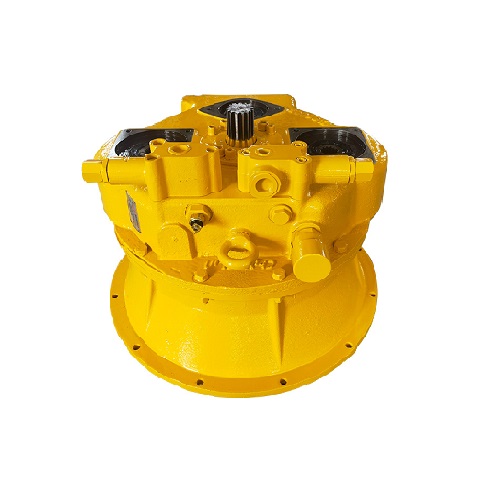
Description and specifications
-top:5px;margin-right:0;margin-bottom:5px;margin-left:0">The cam torque converter is a specialized variant of the hydraulic torque converter, designed to integrate with the power transmission systems of tracked construction machinery such as bulldozers and Loaders. Serving as the critical power transfer component between the engine and transmission, its primary function is to enable flexible power delivery and stepless speed variation while providing overload protection. This design meets the low-speed, high-torque operational demands of construction equipment.
Core Structure and Working Principle
Building upon the traditional hydraulic torque converter (pump wheel, turbine, stator), the cam torque converter features a cam-shaped stator optimization. Combined with a one-way clutch, it forms the core transmission unit:
Pump Wheel: Driven by the engine crankshaft, it converts mechanical energy into hydraulic fluid kinetic energy, serving as the power input end.
Turbine: Connected to the transmission input shaft, it receives the impact kinetic energy of the hydraulic fluid and converts it into mechanical energy, serving as the power output end;
Cam-shaped guide vane: Utilizes cam-shaped blades to alter hydraulic fluid return flow direction, leveraging hydraulic reaction to amplify turbine output torque (torque multiplication ratio up to 2.5–4 times). The cam structure ensures smoother hydraulic fluid return, minimizing hydraulic losses;
One-way clutch: Ensures the guide vane can freely idle during high-speed operation, preventing “braking effect” in the torque converter and enabling smooth transition from torque-boosting mode to coupling mode.
Simply put: During low-speed operations (e.g., bulldozer pushing, loader shoveling), the cam-guided wheels lock to boost torque, delivering massive torque to the equipment. At high speeds, the guide wheels idle, switching the torque converter to coupled transmission mode to enhance transmission efficiency and reduce fuel consumption.
Core Features (Engineered for Construction Machinery Applications)
High Torque Boosting Capacity: Hydrodynamically optimized cam-shaped guide wheels deliver more pronounced torque amplification at low speeds, effortlessly handling heavy-duty, difficult-to-start conditions in mining and infrastructure projects.
Flexible Transmission: Power is transmitted via hydraulic fluid without rigid mechanical engagement, cushioning impacts between the engine and transmission to protect components and extend service life.
Automatic Load Adaptation: Greater load yields more pronounced torque enhancement. No manual shifting required—output torque and RPM automatically adjust based on operational resistance;
Overload Protection: During overload conditions, hydraulic fluid “slips” within the torque converter, preventing engine stalling or transmission component damage for automatic overload protection;
Common Compatible Models and Application Scenarios
Core Compatible Models: Shantui SD22/SD23/SD32
Typical Application Scenarios: Heavy-duty, high-impact, and frequent speed-change operations such as mining bulldozing/loading, infrastructure site leveling, earthmoving, and farmland reclamation. Serves as the “standard core component” for tracked construction machinery transmission systems.